

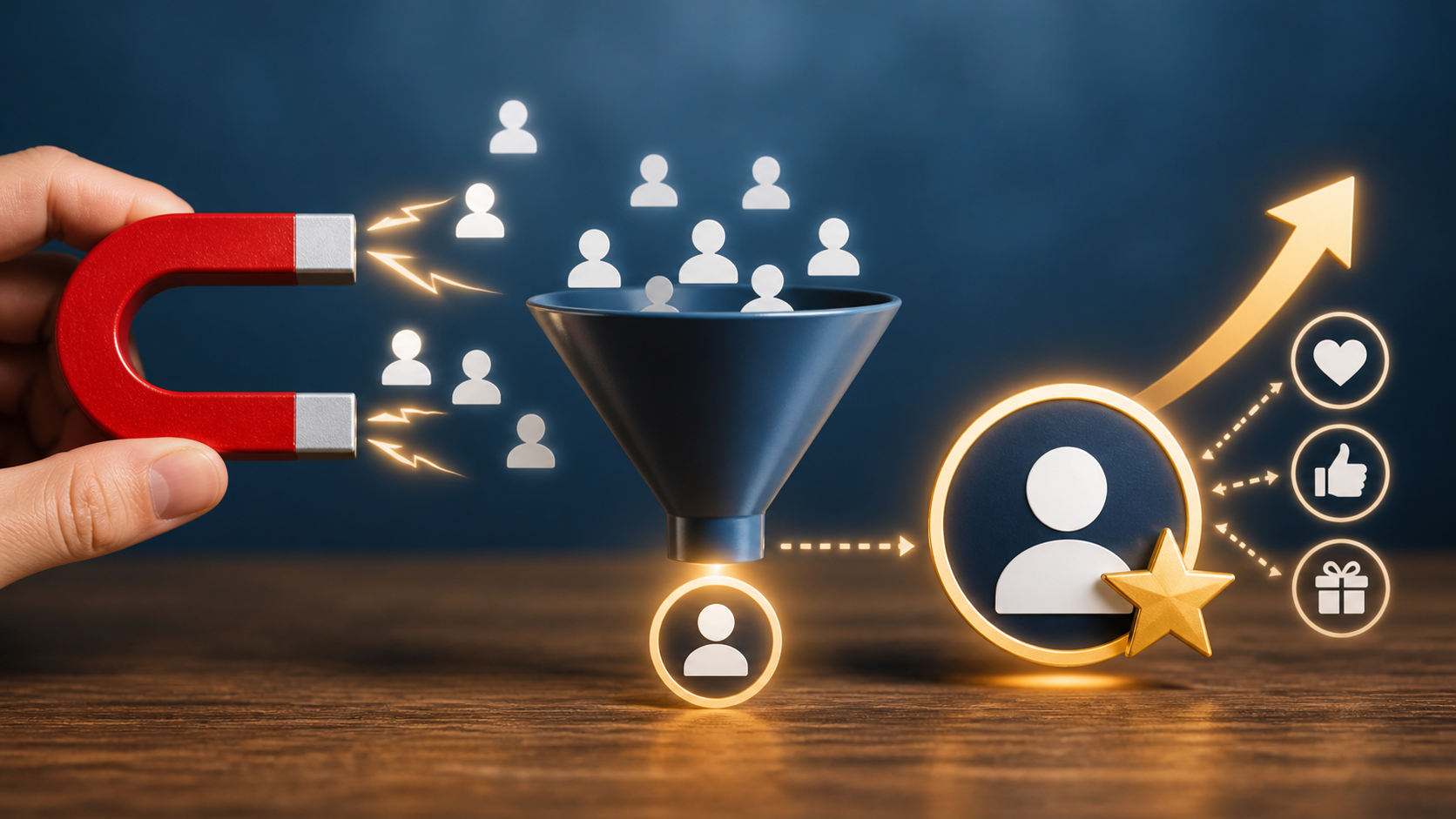
In today’s hyper-competitive marketplace, capturing the attention of prospective buyers is only half the battle; the real challenge lies in transforming that interest into unwavering loyalty. Engaging effectively with your audience means understanding their needs, preferences, and behaviors. By forging genuine connections and delivering tailored experiences, marketers can nurture leads that don’t just walk through the door but come back time and time again. This journey from mere curiosity to certified allegiance begins with a strategic approach that blends empathy, innovation, and precision.
To illustrate the importance of a well-structured engagement strategy, consider the following data on customer retention and satisfaction:
| Metric | Stat |
|---|---|
| Customer Retention Rate | 65% |
| Repeat Purchase Rate | 30% |
| Customer Lifetime Value (CLV) | $1,000 |
These figures reveal a compelling narrative: loyal customers not only contribute significantly to revenue but also form the backbone of a sustainable business. By leveraging data-driven insights and crafting personalized experiences, marketers can elevate simple transactions into dynamic relationships. This article will delve into actionable strategies to engage potential buyers actively, converting their initial interest into long-lasting client loyalty. Whether you’re a seasoned marketer or just stepping into this vibrant arena, understanding these principles will help you thrive.
Understanding the Buyer Journey
Stages of the Buyer Journey
The buyer journey encompasses the stages a potential customer goes through before making a purchase. It generally includes awareness, consideration, and decision phases. Understanding these stages helps businesses craft a tailored approach, addressing specific needs at each phase. This knowledge ensures that marketing efforts resonate with potential clients, paving the way for effective engagement strategies.
Identifying which stage prospective buyers are in allows companies to employ targeted messaging. For instance, strategies differ for someone who is just aware of a problem versus someone ready to make a decision. This understanding aids in developing content that speaks directly to the needs of the customer, fostering trust and interest in your offerings.
Importance of Mapping the Journey
Mapping the buyer journey provides a comprehensive overview of the customer experience. This visual representation helps businesses identify key touchpoints and opportunities for engagement. By analyzing each phase in detail, companies can optimize their strategies to better align with customer expectations and preferences, ultimately leading to higher conversion rates.
A well-mapped customer journey can highlight gaps in the current strategy. For instance, if customers drop off during the consideration stage, it reflects the need for more informative content or support. Regularly updating the journey map based on feedback and analytics keeps the approach relevant and effective, ensuring that prospective buyers feel supported throughout their purchasing process.
Creating Compelling Content
Types of Content that Engage
Engaging content captures the audience’s attention and keeps them involved in your brand. Various formats can be utilized, including blog posts, videos, infographics, and webinars. Each type serves a different purpose and appeals to different segments of your audience, allowing businesses to connect meaningfully with prospective buyers.
For example, infographics can simplify complex information, making it easier for potential clients to digest. Videos can evoke emotions, creating a personal connection. Crafting diverse content allows businesses to engage with potential clients at various touchpoints, ensuring that their message is accessible and relatable, ultimately driving conversions.
Leveraging Storytelling in Marketing
Storytelling is a powerful tool in marketing that captures attention and fosters connections. By incorporating narratives into content, businesses can illustrate how their product or service addresses a specific need. This strategy not only keeps prospects entertained but also enhances the emotional appeal of the brand, inviting them to visualize their success with your solutions.
Consider the following elements to make your storytelling compelling:
- Relatable Characters: Showcase your target audience in real situations.
- Conflicts and Resolutions: Identify common pain points and present your solutions as the hero of the story.
- Emotional Connection: Create scenarios that evoke empathy, allowing prospects to see themselves in the story.
Building Trust and Credibility
Importance of Trust in Sales
Trust is foundational in converting prospective buyers into loyal clients. When consumers trust a brand, they are more likely to make a purchase and advocate for the brand. Building trust takes time and consistent efforts, but it pays off in the long run as loyal customers tend to have higher lifetime values and lower churn rates.
Brands can build trust through transparency, reliability, and quality customer service. Sharing testimonials and showcasing case studies can illustrate your success, allowing potential customers to feel confident in their decision. Each interaction with the brand reinforces credibility, making it essential to prioritize trust-building strategies at every touchpoint.
Utilizing Social Proof
Social proof is a psychological phenomenon where individuals rely on the actions and opinions of others to guide their decisions. This concept plays a crucial role in modern marketing, as positive reviews, ratings, and testimonials can significantly impact a prospective buyer’s confidence in a purchase. Brands can leverage social proof through various forms, enhancing their credibility and persuading potential clients to convert.
Consider incorporating these social proof strategies:
- Client Testimonials: Showcase satisfied customer experiences to build trust.
- Case Studies: Provide in-depth analysis of how your product solved specific issues.
- User-Generated Content: Encourage customers to share their experiences on social media, amplifying authentic voices.
Effective Communication Strategies
Personalizing Your Approach
Personalization enhances customer experiences by addressing individual needs and preferences. By analyzing data and understanding buyer behavior, businesses can tailor their messaging and offers to resonate more deeply with prospective clients. This approach fosters a sense of care and consideration that can significantly influence buying decisions.
To personalize effectively, consider utilizing customer segmentation based on demographics, interests, and behaviors. This segmentation enables targeted email campaigns and customized content delivery, making prospects feel valued. By creating unique experiences for different segments, brands increase engagement and build stronger connections, driving conversions.
Utilizing Multi-Channel Communication
Multi-channel communication ensures that your message reaches prospective buyers through various platforms. Engaging with customers via email, social media, and direct messaging increases visibility and makes interactions more versatile. This approach caters to different preferences and behaviors, enhancing the overall customer experience.
Here’s a comparison of channel effectiveness:
| Channel | Reach | Engagement Level | Conversion Potential |
|---|---|---|---|
| High | Moderate | High | |
| Social Media | Very High | High | Moderate |
| Direct Messaging | Moderate | Very High | High |
By employing a multi-channel strategy, businesses can ensure that they cater to the diverse preferences of their audience, increasing the likelihood of turning prospects into loyal clients.
Follow-Up Strategies That Convert
The Art of Follow-Up
Follow-up strategies are critical in nurturing leads and guiding them closer to making a purchase. A well-timed follow-up can rekindle interest in your offerings, reminding prospects of the value you provide. Establishing a structured follow-up process enables businesses to stay top-of-mind and builds a rapport with potential buyers.
Utilizing various follow-up techniques such as personalized emails, phone calls, or text messages ensures that prospective clients feel engaged. A thoughtful follow-up demonstrates commitment and fosters trust, making prospects more likely to convert. Train your team to prioritize follow-ups to ensure that no lead goes cold.
Nurturing Leads through Email Campaigns
Email marketing remains one of the most effective tools for nurturing leads. A strategically crafted email campaign can guide prospects through the buying journey, providing valuable information and addressing objections. Timely and relevant content reinforces the brand’s position as a trusted resource.
Consider these elements for successful email campaigns:
- Compelling Subject Lines: Capture attention and encourage opens.
- Segmentation: Tailor content based on buyer behavior and preferences.
- Call-to-Action: Encourage specific actions with clear directives.
Regularly analyzing campaign performance provides insights into what resonates with your audience, allowing you to refine strategies for better conversion rates.
Summary
In today’s competitive marketplace, converting buyer interest into loyalty is key. Marketers must understand audience needs and preferences to forge genuine connections and provide tailored experiences. This strategic approach fosters customer retention and satisfaction, as illustrated by stats like a 65% retention rate and a customer lifetime value of $1,000. Loyal customers significantly boost revenue and are vital for sustainable business growth. By utilizing data-driven insights and crafting personalized engagements, marketers can transform transactions into lasting relationships. The article emphasizes actionable strategies to nurture potential buyers into loyal clients, applicable for both seasoned professionals and newcomers.
FAQ
How can I effectively engage prospective buyers?
Engaging prospective buyers involves understanding their needs and crafting personalized experiences. Start by segmenting your audience based on demographics, interests, or behaviors. Utilize various channels such as social media, email marketing, and targeted advertising to reach these segments. Create compelling content that resonates with their pain points and aspirations, using storytelling to make your brand relatable. High-quality visuals and interactive elements can further enhance engagement and draw prospective buyers in.
Additionally, fostering a sense of community can create deeper connections. Encourage dialogue through social media platforms, hosting live Q&A sessions, or facilitating peer discussions. Implementing chat features on your website can also provide an avenue for real-time communication. By being approachable and responsive, you cultivate trust, making prospects feel valued and understood. This two-way relationship not only enriches engagement but also lays a solid foundation for conversion.
What strategies can I use to convert leads into loyal clients?
To convert leads into loyal clients, your sales funnel should be designed with a seamless customer journey in mind. Start by nurturing leads through tailored follow-ups, offering valuable content such as webinars, e-books, or case studies that showcase the effectiveness of your offering. Personalization is key; ensure that your communications resonate with the specific interests and behaviors of your prospects. Use marketing automation tools to streamline these processes and maintain consistent engagement, keeping your brand top of mind.
Building trust is equally essential in this conversion process. Highlight customer testimonials and case studies that showcase successful experiences. Providing a free trial or demo can also remove barriers and allow prospects to experience your product or service firsthand, reinforcing its value. Offering exceptional customer service throughout this journey ensures that prospects feel supported and confident in their decision, significantly increasing the likelihood of converting them into loyal clients.
How do I measure the success of my engagement efforts?
Measuring the effectiveness of your engagement strategies is crucial for continuous improvement. Start by identifying key performance indicators (KPIs) that reflect your goals, such as website traffic, social media interactions, email open rates, and conversion rates. Utilize analytics tools to gather data and analyze patterns over time. Track unique visitor metrics and engagement rates to pinpoint what resonates and what doesn’t, allowing you to refine your approaches continuously.
Moreover, consider implementing feedback loops through surveys or customer interviews. Direct input from your audience can provide qualitative insights that metrics alone might miss. Pay attention to churn rates and customer lifetime value as well; these metrics will indicate whether your engagement strategies are successfully turning leads into loyal clients. By combining quantitative and qualitative measurements, you can develop a comprehensive view of your engagement effectiveness, ultimately driving better results.
What role does customer feedback play in engagement and conversion?
Customer feedback is a cornerstone of effective engagement and conversion strategies. It provides invaluable insights into your audience’s preferences, pain points, and satisfaction levels. Using surveys, reviews, and direct communication channels, you can gather feedback that informs product development and marketing efforts. This continuous loop of communication fosters a sense of involvement and encourages potential clients to engage with your brand more genuinely, as they feel their opinions are valued and acted upon.
Incorporating feedback into your strategies also enhances transparency and trust, critical factors in building long-term relationships. When prospects see that you genuinely consider their input and make adjustments accordingly, they are more likely to convert into loyal clients. Celebrating changes made in response to customer feedback can further elevate your brand’s reputation. Ultimately, a feedback-rich environment not only boosts engagement but also strengthens the likelihood of conversion by aligning your offerings with customer expectations.

