


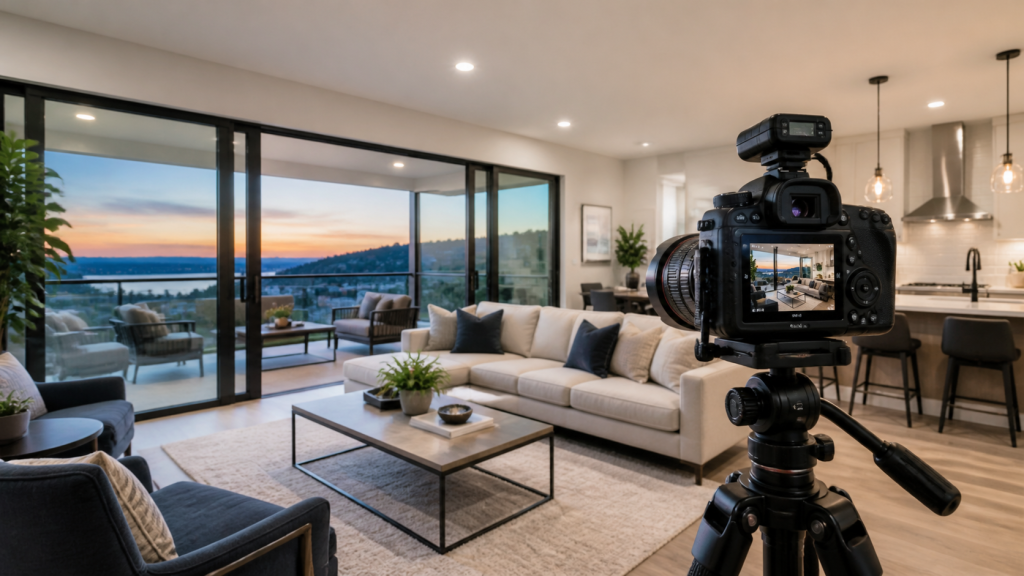
In today’s competitive real estate market, capturing buyers’ attention requires more than just good intentions; it calls for a strategic use of visual content. High-quality photography and engaging video not only showcase properties in their best light but also evoke emotions, allowing potential buyers to imagine themselves within these spaces. As the old adage goes, “a picture is worth a thousand words,” and in real estate, that picture can translate into significant sales. With the right visual tools, agents can turbocharge their listings and create a memorable brand presence that stands out among the crowded marketplace.
To understand the impact of visual content on real estate sales, let’s delve into some statistics that underscore its importance. According to recent studies:
| Visual Element | Impact on Sales |
|---|---|
| Professional Photography | 50% more views on listings |
| Virtual Tours | 40% more inquiries |
| Video Listings | 75% higher engagement rates |
These figures clearly indicate that harnessing the power of photography and video can significantly enhance visibility and engagement with potential clients. By integrating striking visuals into your marketing strategy, you not only showcase properties more effectively but also create a compelling narrative that resonates with buyers. This multi-sensory approach maximizes the chances of conversion, making it essential for real estate professionals to adopt these innovative methods in their marketing arsenal.
Understanding the Importance of Visual Content in Real Estate
Photography and videography play pivotal roles in the real estate industry. High-quality visual content captures attention, extends engagement, and boosts the chances of a sale. In a market where first impressions matter tremendously, striking images can make a property stand out amidst competition. With most homebuyers starting their searches online, compelling visual content acts as a principal marketing tool.
The significance of visual content stretches beyond aesthetics. Engaging images and videos can tell a story about a property, showcasing its best features and creating an emotional connection. They provide potential buyers with an immersive experience, giving them a glimpse of what it feels like to live in that space. This approach can significantly influence their purchasing decisions.
Why Photography Matters
Photography serves as the first point of interaction between potential buyers and properties. Effective real estate photography highlights the best aspects of a home, creating a positive image and attracting interest. Professional images can portray spatial dimensions, making rooms appear larger and more inviting. This visual appeal can significantly improve a listing’s click-through rates.
Investing in professional photography can yield significant returns. Listings with high-quality images often receive more inquiries and sell faster than those with mediocre visuals. Research shows that homes with professional photos can sell for up to 32% more, making photography a crucial investment in the selling process. Such images engage viewers and evoke emotions, facilitating deeper connections.
Leveraging Drone Photography
Drone photography provides an aerial perspective that traditional photography cannot. This technology captures expansive landscapes and large property layouts, showcasing properties in an innovative way. Drones can highlight the proximity to amenities, parks, and scenic views, giving potential buyers a comprehensive overview of the property’s setting. This unique angle can set listings apart.
The advantages of drone photography are clear. For example:
| Benefit | Traditional Photography | Drone Photography |
|---|---|---|
| Viewpoint | Ground-level | Aerial |
| Visual Impact | Limited | High-Impact |
| Scope | Single Property | Surrounding Area |
Incorporating drone photography into marketing strategies not only elevates the visual appeal but also enhances the overall storytelling aspect of a listing. It enables potential buyers to appreciate contextual surroundings, making them more likely to engage.
Utilizing Video Tours to Enhance Property Showcases
Video tours have emerged as an essential tool in real estate marketing. They offer potential buyers a dynamic way to experience properties from the comfort of their homes. Unlike static images, videos can depict flow and function, allowing viewers to visualize how they might use the space. This multimedia approach caters to different buyer preferences, enhancing the likelihood of conversion.
Moreover, video content employs storytelling techniques, providing an immersive experience. Narration can guide viewers through the property, highlighting unique features and potential uses of different spaces. Engaging video content can keep prospects interested longer, enhancing recall and increasing the chances of follow-up inquiries.
Creating Engaging Property Walkthroughs
Property walkthroughs allow viewers to experience a home as if they are physically present. A well-crafted walkthrough can showcase different layouts while emphasizing aesthetic appeal. Inclusion of key selling points, like renovations or unique features, enhances the viewer’s understanding of the property’s value.
To ensure effectiveness, follow these tips for creating engaging property walkthroughs:
- Start with an inviting entrance.
- Move logically through the home.
- Highlight special features.
- Optimize for mobile viewing.
Through attention to detail and strategic messaging, real estate video walkthroughs can evoke strong emotional responses. This approach facilitates connection and familiarity, leading to an increase in interested buyers.
Live Streaming for Instant Engagement
Live streaming provides an interactive experience for potential buyers. It allows agents to showcase properties in real time, attracting interested buyers who can ask questions during the tour. This immediacy creates urgency and engagement, appealing to a contemporary audience comfortable with digital interactions.
Key benefits of live streaming include:
| Benefit | Description |
|---|---|
| Immediate Feedback | Viewers can ask questions and receive answers instantly. |
| Broader Reach | Potential buyers from various locations can join the tour. |
| Enhanced Connection | Personal interaction fosters trust and relationship-building. |
This technique not only broadens outreach but also creates a sense of community around the property. Live interactions can pave the way for quicker decisions and enhance engagement levels.
Integrating Social Media for Visual Impact
Social media platforms serve as powerful channels for real estate marketing. They enable agents to share high-quality visual content, reaching wider audiences and generating lead interest. Using platforms like Instagram and Facebook allows for the quick dissemination of property information and stunning visuals directly connected to potential buyers’ feeds.
The use of visually appealing content on social media encourages sharing and engagement. By crafting eye-catching posts that stand out, real estate professionals can significantly enhance brand visibility. Investing in social media marketing strategies helps agents capitalize on opportunities to connect with their audience while showcasing their properties effectively.
Best Practices for Sharing Visual Content
To maximize the impact of visual content on social media, agents should adhere to best practices. Crafting optimal posts involves selecting the right images, writing compelling captions, and using targeted hashtags. Such efforts enhance reach and encourage interaction with potential buyers and clients.
Consider these effective strategies:
- Use high-resolution images for clarity.
- Engage viewers with behind-the-scenes stories.
- Utilize popular hashtags to increase visibility.
By implementing these strategies, agents can optimize their social media presence, driving greater engagement and ultimately converting leads into sales.
The Power of Targeted Advertising
Targeted advertising enables real estate agents to focus their marketing efforts on specific audiences. By utilizing visuals that resonate with potential buyers, agents can create tailored campaigns that lead to increased engagement and higher conversion rates. Platforms like Facebook and Instagram provide sophisticated targeting tools to reach desired demographics.
Factors to consider for successful targeted advertising include:
| Factor | Description |
|---|---|
| Demographics | Age, location, and income can significantly influence buyer behavior. |
| Interests | Target buyers based on hobbies, preferences, and lifestyle. |
| Behavior | Utilize data on users’ online behaviors for precise targeting. |
Investing in targeted advertising amplifies the effectiveness of visual storytelling, ensuring that the right message reaches the right people. This focused approach enhances the likelihood of successful interactions and property sales.
Building a Consistent Visual Brand Identity
Creating a cohesive visual brand identity is essential for real estate professionals. Consistency in imagery, color schemes, and messaging reinforces brand recognition. A strong visual identity differentiates agents in a crowded market, ensuring potential buyers remember their brand amid the competition.
Moreover, a consistent brand presence fosters trust. Clients are more inclined to engage with real estate professionals whose branding appears polished and unified across multiple platforms. By establishing clear visual guidelines, agents enhance their overall reputation, encouraging repeat business and referrals.
Developing a Visual Style Guide
Crafting a visual style guide establishes a branding framework for real estate agents. This guide outlines fonts, colors, imagery styles, and overall aesthetics vital to creating a recognizable brand. Such branding consistency across all marketing channels optimizes visibility and memorability.
Key components to include in the style guide are:
- Logo usage and placement.
- Color palette to maintain a cohesive look.
- Font styles for clarity and professionalism.
By adhering to a visual style guide, agents ensure that all marketing materials appear aligned and professional. This approach reinforces their brand’s identity in the minds of potential clients.
Utilizing Visual Analytics for Improvement
Visual analytics provides insights into which content performs best. Analyzing metrics like engagement rates, click-through rates, and feedback helps real estate agents refine their approach. Understanding audience preferences empowers agents to create more relevant and compelling visual content.
Agents can assess which formats resonate using the following metrics:
| Metric | Description |
|---|---|
| Engagement Rate | Measures interactions with posts versus total views. |
| Traffic Sources | Identifies which platforms drive the most visitors to listings. |
| Conversion Rate | Tracks how many inquiries lead to successful sales. |
By leveraging visual analytics, agents can make informed decisions about future marketing strategies, enhancing their effectiveness and ensuring continued success in the real estate market.
Future Trends in Visual Real Estate Marketing
The landscape of real estate marketing continues to evolve, particularly in visual content. Emerging technologies like virtual reality (VR) and augmented reality (AR) promise to transform how properties are showcased. These innovations allow potential buyers to experience properties in a more interactive manner, further enhancing emotional connections and engagement.
Staying updated with trends is crucial for real estate professionals. As consumers increasingly favor digital experiences, agents must adapt to maintain competitiveness. Investing in the latest visual technologies can offer unparalleled advantages, elevating the overall marketing strategy and positioning agents ahead of the curve.
The Rise of Virtual Reality Tours
Virtual reality tours enable users to explore properties in a highly immersive environment. Using VR headsets, potential buyers can navigate spaces at their own pace, interacting with rooms as if they were physically present. This method provides a stunning alternative to traditional showings, especially for remote buyers.
Comparative advantages of VR tours include:
| Advantage | Description |
|---|---|
| Immersion | Offers a highly engaging experience that captures attention. |
| Accessibility | Accommodates long-distance buyers unable to visit properties. |
| Customization | Allows viewers to explore aspects of the property they’re most interested in. |
Investing in virtual reality tours can enhance marketing materials and offer a fresh approach, catering to the growing demand for innovative real estate solutions.
Augmented Reality and Home Staging
Augmented reality (AR) is revolutionizing home staging by allowing potential buyers to visualize furniture layouts and decor styles in real time. Using mobile devices, clients can superimpose virtual furnishings into physical spaces, giving them clearer insights into a home’s potential. This technology engages buyers and helps them imagine themselves living in a property.
AR offers numerous advantages:
- Enhances emotional engagement with personalized visuals.
- Reduces the need for physical staging costs.
- Provides instant visualization, thereby speeding up decision-making.
By integrating augmented reality into marketing strategies, real estate agents can stand out in a competitive market while enhancing client experiences. This technology aligns well with modern consumer expectations, paving the way for innovative solutions in visual marketing.
Summary
In today’s competitive real estate market, captivating buyers necessitates strategic use of visual content. High-quality photography and engaging videos not only highlight properties but also evoke emotions, enabling potential buyers to envision themselves in these spaces. Statistics show that professional photography leads to 50% more views, virtual tours generate 40% more inquiries, and video listings achieve 75% higher engagement. By leveraging these visuals, agents can enhance visibility and create memorable brands that stand out. Integrating striking visuals into marketing strategies is essential for real estate professionals to maximize conversion opportunities and effectively showcase properties.
FAQ
How does quality photography enhance real estate listings?
High-quality photography is essential for creating an impactful first impression in real estate listings. Professional images capture properties at their best, showcasing their unique features and overall aesthetics. This visual appeal not only attracts potential buyers but also helps to communicate the property’s value. Listings with well-taken photographs are more likely to be shared on social media, increasing the reach to a broader audience. In an industry where competition is fierce, exceptional visuals set a listing apart from others, making it more memorable and enticing to prospective clients.
Moreover, quality photography helps prospective buyers visualize themselves in the space. Pictures that depict various angles, lighting, and context allow viewers to imagine how they would utilize the property. This emotional connection can significantly influence decision-making, fostering a sense of urgency to claim the property. By investing in professional photography, real estate agents and sellers can convey a narrative about the home, making it not just a structure, but a potential living space filled with memories. This strategic focus on visuals ultimately facilitates quicker sales and higher offers.
Why is video marketing effective in real estate?
Video marketing offers a dynamic way to showcase properties, allowing viewers to experience a home beyond static images. Through video tours, potential buyers can gain a sense of the property’s layout, flow, and atmosphere, making the marketing material more engaging. Videos can highlight key features, such as spacious living areas or well-appointed kitchens, in a way that photographs alone cannot. Additionally, incorporating drone footage can provide breathtaking views of the property and its surroundings, distinguishing listings in a crowded market.
Moreover, videos have the potential to reach wider audiences thanks to their shareability on various online platforms. Engaging video content is more likely to be shared on social media, enhancing visibility and potentially driving more traffic to property listings. Furthermore, video content often ranks higher in search engine algorithms, increasing the chances that a listing will be discovered by prospective buyers. As video continues to dominate online content consumption, its integration into real estate marketing strategies is not just beneficial but essential for achieving success in today’s competitive marketplace.
What are the best practices for creating real estate visuals?
Creating impactful real estate visuals starts with thorough planning and attention to detail. Prior to a shoot, it’s crucial to stage the property effectively, highlighting its strengths while minimizing distractions. Utilizing natural light can enhance the atmosphere, so scheduling shoots during the golden hours—early morning or late afternoon—often yields the best results. Avoid clutter by removing personal items and keeping spaces tidy, creating a neutral backdrop that appeals to a wide range of potential buyers. The goal is to create a welcoming ambience that invites viewers to imagine themselves living in the space.
Editing is just as important as shooting. Professional editing software can enhance colors, correct lighting issues, and provide a polished final product that resonates with viewers. Consistency in style across all visuals is crucial for branding, establishing a cohesive narrative that accompanies your marketing strategy. As video becomes increasingly important, incorporating elements like storytelling and unique angles can further captivate potential buyers, making the property memorable. By adhering to these best practices, real estate professionals can create stunning visuals that elevate listings and enhance overall marketing effectiveness.
How can real estate agents leverage social media for visuals?
Social media platforms serve as powerful tools for real estate agents in showcasing visuals. Agents can share high-quality photographs and engaging video content to reach a wide audience, establishing themselves as industry leaders. Platforms like Instagram and Facebook allow for targeted advertising, enabling agents to highlight listings to specific demographics interested in real estate. Using platforms to share not only properties but also helpful tips and market insights can build trust and credibility, fostering a loyal following. Utilizing stories and reels helps showcase properties in a more dynamic, relatable manner.
Engaging with the audience is crucial in maximizing the impact of visual content on social media. Real estate professionals can encourage interaction through polls, questions, or calls to action, which can prompt shares and increase visibility. Collaborating with local businesses or influencers can also expand reach and introduce properties to new audiences. By harnessing the full potential of social media, real estate agents can create a vibrant, interactive platform for potential buyers, positioning themselves as the go-to resource for all things real estate in their local market.